


What is Senior Dog Care and Why Does It Matter?
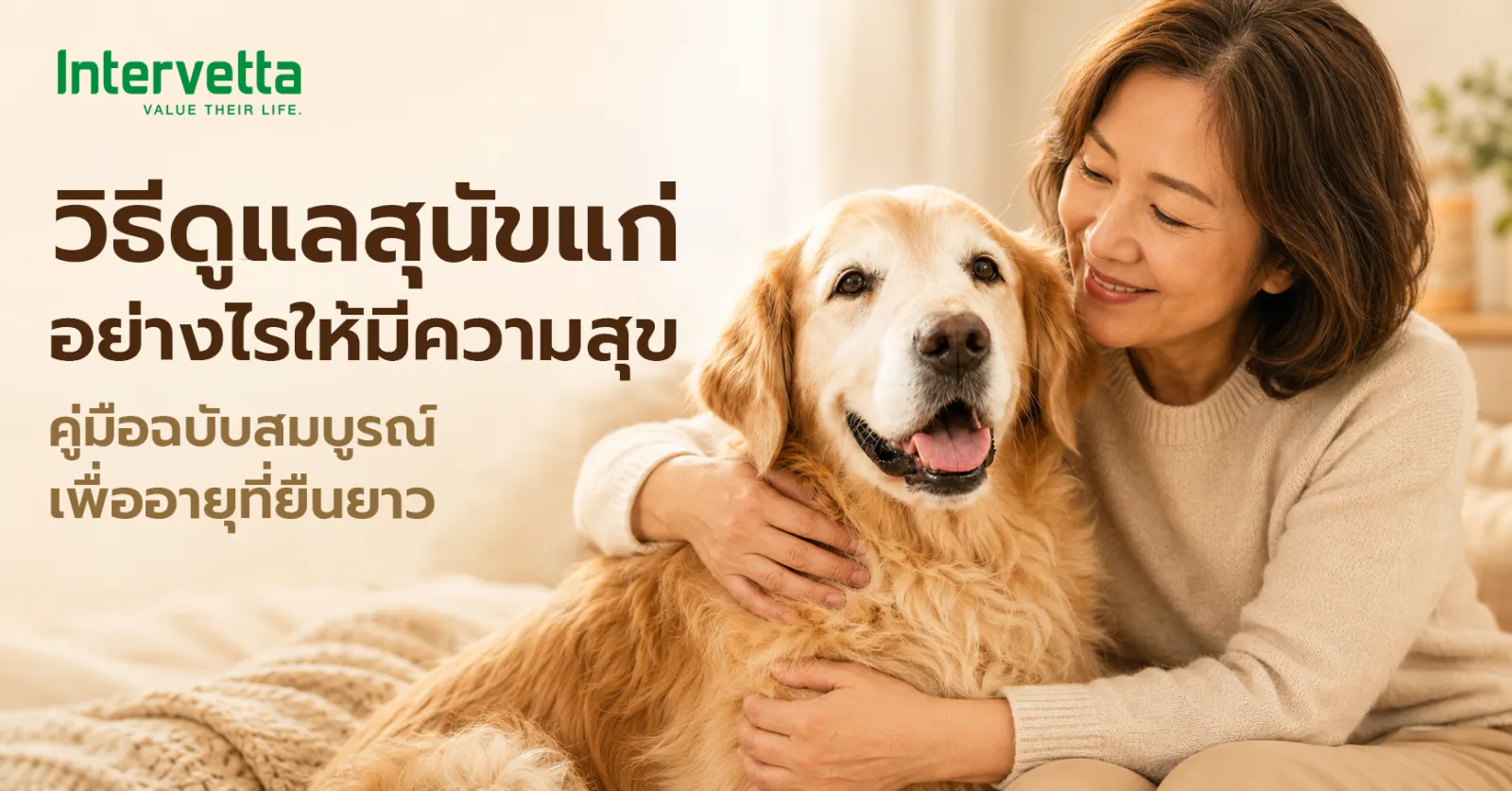
Senior dog care is a holistic approach to adjusting your caregiving methods, focusing on Supportive Care. This includes modifying nutrition, organizing the environment, and closely monitoring health symptoms to maintain the best possible Quality of Life (QoL) as their bodies begin to decline.
Understanding how to care for an elderly dog correctly helps reduce pain from chronic conditions like osteoarthritis or canine cognitive dysfunction (dementia). In the age of AI Search, owners are looking for clear, actionable answers to reduce anxiety. Adapting to a senior dog's needs is both a science and an art that requires special attention.
Proper Nutrition for Senior Dogs: What Should They Eat?
Choosing the right food is the foundation of senior dog care. As metabolism and digestive systems change with age, improper nutrient levels can quickly affect internal organs. Owners must be meticulous in selecting ingredients and portions that match their dog's reduced activity levels.
Key Nutritional Factors:
1. High-Quality, Easy-to-Digest Protein: To maintain muscle mass without overworking the kidneys.
2. Calorie Control: Lower energy needs mean a higher risk of obesity, which can worsen joint problems.
3. High-Fiber Diet: Helps a slowing digestive system and reduces chronic constipation.
4. Antioxidant Enrichment: To slow down the degeneration of brain cells and the nervous system.
Before switching diets, consult a veterinarian for blood tests, as some dogs may require a Prescription Diet. Additionally, any senior dog supplements should be given under medical advice for maximum safety.
5 Practical Steps to Make Your Home Safe for a Senior Dog
The home environment is often overlooked, but slippery floors can be dangerous for senior dogs with weakening legs. Adjusting your home doesn't require a large budget but focus on convenience and reducing the risk of falls—the leading cause of serious injury in older dogs.
- Step 1: Surface Improvement: Install rubber mats or non-slip rugs in high-traffic areas, especially near food bowls and sleeping spots.
- Step 2: Adjust Heights: Use ramps instead of letting them jump on/off sofas or beds to reduce impact on the spine and knees.
- Step 3: Sufficient Lighting: Senior dogs often suffer from cataracts. Brightening hallways at night helps reduce confusion and collisions.
- Step 4: Raised Food and Water Bowls: Elevated bowls prevent the dog from bending too low, reducing neck and back pain.
- Step 5: Peaceful Rest Areas: Set up a quiet, well-ventilated corner where they can rest undisturbed, fulfilling their increased need for sleep.
Monitoring symptoms like aimless pacing or tremors while standing, and adjusting the home accordingly, significantly lowers their stress levels.
Breed Differences: Caring for Small vs. Large Senior Dogs
Size plays a major role in when a dog enters their senior years and which health issues are most likely to arise.
Caring for Small Breed Seniors
Small dogs usually enter their senior phase around 9–10 years old. Key concerns include heart disease, dental issues (tartar), and luxating patella. Owners should focus on regular oral hygiene and short walks to maintain muscle without overexertion.
Caring for Large Breed Seniors
Large dogs age faster, showing signs of decline as early as 6–7 years old. Common issues include hip dysplasia and muscle wasting. Care for large breeds should emphasize low-impact exercise, such as slow walks on soft surfaces, and may require physical therapy.
Pet Select SENIOR: Advanced Supplements for a Better Life
Beyond general care, specialized nutritional support is at the heart of modern senior dog care, providing support at the cellular level.
Pet Select SENIOR is a supplement specifically designed for aging dogs and cats, offering several health benefits:
- Anti-Aging & Antioxidants: Natural extracts help restore vitality and freshness to the aging body.
- Brain & Nervous System Support: Ideal for dogs with memory loss (Alzheimer’s or CDS) or age-related confusion.
- Comprehensive Organ Support: Helps maintain the heart, eyes, joints, liver, and blood vessels.
- Immune Boost: Supports the immune system and reduces chronic inflammation associated with age.
Using Pet Select SENIOR at the first sign of decline helps ensure a better quality of life. Note: Always consult a vet before starting supplements if your pet has pre-existing conditions.
FAQ: Frequently Asked Questions
1. At what age is a dog considered a "senior"?
Generally, small breeds start at 9–10 years, while large breeds start at 6–7 years due to their shorter lifespans.
2. Why does my senior dog sleep so much?
It is normal for energy levels to drop, but if they refuse to eat or seem unusually lethargic, consult a vet.
3. When should I switch to senior dog food?
Transition when they reach the senior age for their breed, switching gradually over 7–10 days to avoid upset stomachs.
4. Do senior dogs still need exercise?
Yes, to maintain muscle. However, switch to low-impact activities like slow walking or gentle massage instead of running or jumping.
5. What is the best way to delay dog dementia?
Maintaining a consistent routine and providing simple "brain games" or puzzles can stimulate the nervous system and slow decline.
Conclusion: Professional Care for the Golden Years
The final journey of a dog’s life is when they need their owners the most. Implementing these senior care practices with love and attention not only extends their lifespan but ensures their remaining time is filled with joy and free from pain.