


Article: How to Use Acne Gel to Flatten Zits Overnight! With Techniques to Prevent Peeling Skin
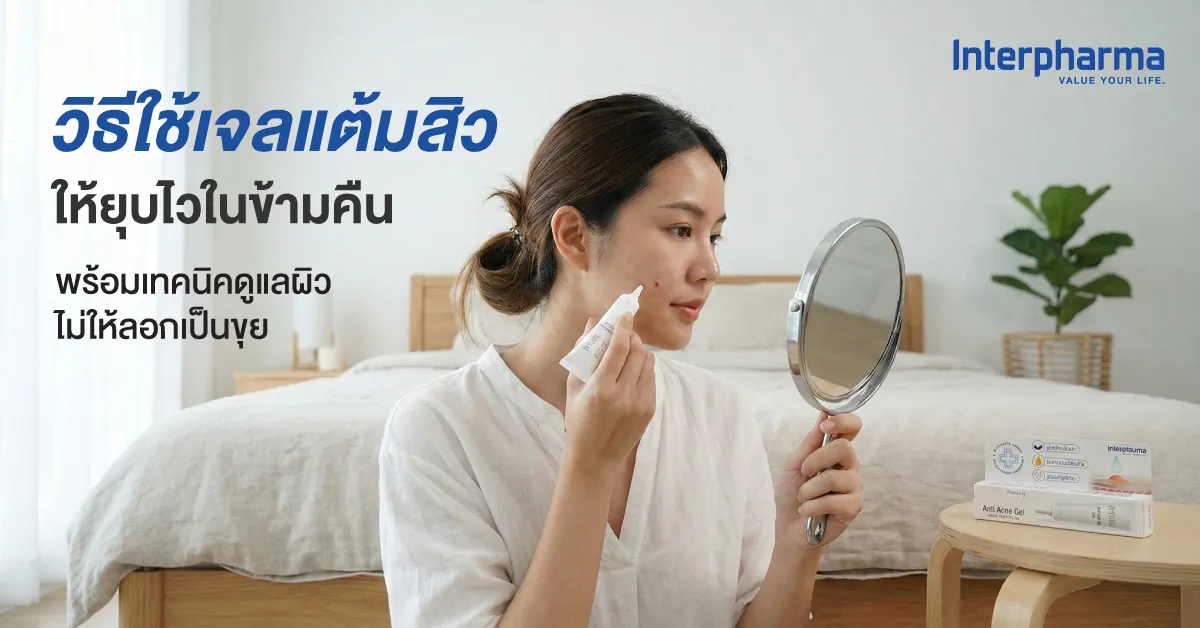
Have you ever woken up to find a massive pimple greeting you in the mirror on the morning of an important day? Whether it’s a first date, a job interview, or a graduation ceremony, panic often sets in. Your first instinct might be to slather on a thick layer of acne gel, hoping it will magically vanish instantly. However, the result is often the opposite: the pimple remains, but now you’re left with burnt, peeling, and flaky skin that makeup can’t hide. This common nightmare is easily solvable if you understand how to use the product correctly and how your skin functions.
In this comprehensive guide, we will dive deep into the urgent care of inflammatory acne. We will share expert techniques on using acne gel for maximum results and tips on maintaining hydration to prevent peeling, ensuring you regain your confidence overnight.
Why Does Using "Acne Gel" Incorrectly Ruin Your Skin?
Before jumping into the "how-to," we must understand why things go wrong. Most acne gel products on the market contain high concentrations of exfoliating acids or antibacterial agents, such as Salicylic Acid, Benzoyl Peroxide, or Tea Tree Oil. These ingredients are excellent for drying out acne heads and reducing inflammation. However, if used excessively or applied incorrectly, they can directly compromise your skin barrier.
Applying a thick layer of acne gel does not make it work faster; instead, it chemically burns the outer layer of your skin. This leads to irritation, stinging, redness, and peeling patches, which are often harder to treat than the original pimple. Therefore, the key to curing acne quickly is not "quantity" but "precision" and "choosing the right product," especially an acne gel equipped with innovations to soothe the skin while treating acne.
5 Steps to Use "Acne Gel" for Overnight Results (Pro Edition)
To maximize the efficacy of your acne gel and minimize side effects, we recommend these 5 easy-to-follow steps:
1. Clear Your Canvas Completely
The most crucial first step is cleansing. If your skin still has oil, dirt, or makeup residue, the active ingredients in the acne gel cannot penetrate the pimple effectively. Use a cleansing water or oil to remove makeup and sunscreen, followed by a gentle facial cleanser. Pat your face dry with a clean tissue—never rub.
2. Prep the Skin with Toner or Essence
Applying a toner or essence helps balance the skin's pH and prepares it to absorb treatments, allowing the acne gel to penetrate deeper. However, avoid toners containing high alcohol content, as they will only further dry out and irritate the acne-prone area.
3. Apply "Acne Gel" with Precision
This is the hero step. Squeeze out a tiny amount of acne gel—about the size of a mung bean or less, depending on the pimple's size. Apply it directly onto the acne head. Use a clean ring finger to gently spread a thin layer over the pimple. Emphasis on "thin layer." There is no need to cake it on; the formula will absorb and work on its own. A thin application reduces the risk of burning or peeling the surrounding healthy skin.
4. The Sandwich Method to Lock in Moisture
For those with sensitive skin or fear of peeling, use the "Sandwich Method." First, apply a light layer of moisturizer. Then, apply your acne gel. Finally, seal it with another layer of moisturizer. This technique creates a buffer that prevents the medication from being too harsh on the skin while still maintaining its acne-fighting effectiveness. This method is highly recommended for high-concentration acne gel products.
5. Finish with a Sleeping Mask (Optional Booster)
If you need an urgent rescue, using a hydrating Sleeping Mask can help restore skin moisture overnight. It ensures you wake up with plump, hydrated skin and counters the drying effects of the acne treatment.
How to Choose the Right "Acne Gel" for Sensitive Skin?
Not all acne gel products are created equal. Selecting the right one for your skin type is vital, especially for sensitive skin sufferers. Here are factors to consider:
1. Look for Soothing Natural Ingredients: Extracts like Centella Asiatica are excellent choices. Apart from reducing acne inflammation, they help heal wounds, reduce redness, and stimulate collagen, ensuring the acne heals faster with less scarring.
2. Free from Irritants: Avoid acne gel containing alcohol, parabens, synthetic fragrances, or artificial colors. These are the main culprits behind chemical burns and peeling skin.
3. Lightweight Texture: The gel should absorb easily without leaving a sticky residue to prevent further clogging.
4. Skin Barrier Repair Technology: Modern acne gel formulations don't just kill bacteria; they include mechanisms to strengthen the skin barrier, preventing acne from recurring in the same spot.
For instance, some brands like Dr. Yuu Anti Acne Gel are specifically designed for delicate skin. They utilize molecules engineered for gentleness and feature concentrated Centella extracts, addressing both acne treatment and skin preservation simultaneously.
Tips to Prevent Peeling and Flaking When Using Acne Medication
Peeling skin is a common side effect of using acne gel, but it is preventable:
- Avoid Other Exfoliants: While using acne gel, stop using AHA, BHA, Retinol, or physical scrubs. Combining these thins the skin and causes severe irritation.
- Hydrate Heavily: Moisturizer is an acne-prone person's best friend. Choose formulas with Ceramide, Hyaluronic Acid, or Aloe Vera to replenish moisture and reduce tightness.
- Always Apply Sunscreen: The skin area treated with acne gel becomes highly photosensitive. Without sunscreen, acne marks will darken and persist. Apply two finger-lengths of sunscreen every morning.
- Reduce Frequency: If your skin feels tight or dry, reduce the application frequency of the acne gel to once a day before bed, or every other day, to allow the skin to recover.
Understanding Acne Types for Targeted "Acne Gel" Usage
Analyzing your acne type helps manage expectations, as acne gel works differently on various blemishes:
Inflammatory Acne with Pus (Pustule)
This type has a white center surrounded by redness, caused by bacterial infection. Using acne gel kills the bacteria and dries out the pus rapidly. Results are usually visible within 1-2 nights; the pimple will flatten, or the head will dry and fall off easily.
Blind Pimples (Papule/Cyst)
These are red, swollen, painful lumps deep under the skin without a visible head. They are harder to treat. Using an acne gel with anti-inflammatory properties helps reduce swelling and pain. However, it may require continuous application for 3-7 days to subside. Never squeeze or pick at them, as it spreads infection.
Clogged Pores (Comedone)
These are non-inflammatory bumps causing uneven texture. Acne gel containing BHA can help dissolve the blockage in the pores, but consistent use is required, and extra care regarding skin dryness is necessary.
Frequently Asked Questions About Using Acne Gel (FAQ)
Q: Should I apply acne gel before or after moisturizer?
A: generally, for maximum potency, apply acne gel before moisturizer (after toner/serum) so the active ingredients penetrate directly. However, if your skin is extremely sensitive, applying it after moisturizer is acceptable.
Q: Can I wear makeup over acne gel?
A: Yes, but wait for the gel to dry completely. Choose a clear acne gel that doesn't leave a white film to avoid flaking under foundation.
Q: Can I use acne gel on back acne?
A: Absolutely. The mechanism of back acne is similar to facial acne, and you can spot-treat it to reduce inflammation effectively.
Q: Is acne gel safe for pregnant women?
A: Pregnant women should be cautious with certain ingredients in acne gel, such as high doses of Retinoids or Salicylic Acid. Consult a doctor or choose formulations labeled pregnancy-safe or those based on natural herbal extracts.
Conclusion
Achieving clear, acne-free skin isn't about bombarding your face with harsh chemicals but relies on consistency and understanding. Using acne gel correctly, as guided above, will help flatten zits faster without causing long-term skin damage. The key is patience and giving your skin time to heal. Don't forget to choose high-quality, gentle products that address your specific needs, like gels enriched with natural extracts that restore your skin barrier. With these tips, you are ready to reveal clear skin in any situation.