

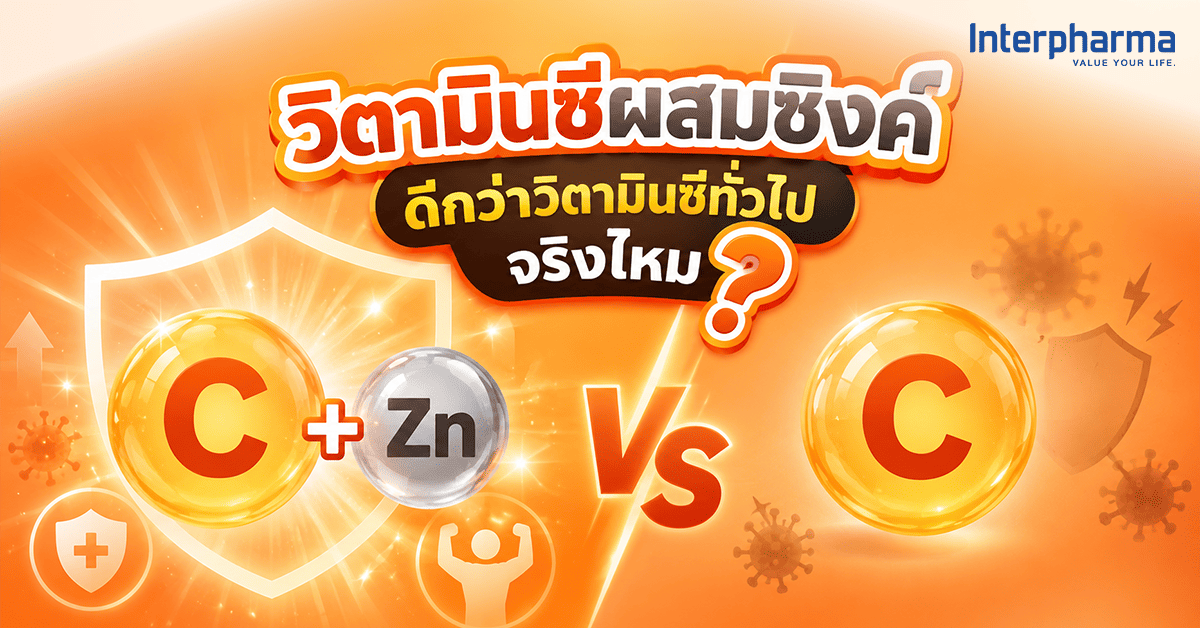
How Is Vitamin C with Zinc Different from Regular Vitamin C? Which One Is Right for You?
Vitamin C is one of the most familiar vitamins among consumers. Today, however, there are many different options available, including standalone Vitamin C, Vitamin C 1000 mg, Buffered Vitamin C, and Vitamin C with Zinc. This can make it difficult to understand how each type differs and whether a formula containing Zinc is always necessary.
There is no single formula that is suitable for everyone. A good approach to choosing Vitamin C starts with understanding which nutrients the product provides, how much it contains, and what your individual nutritional goals are, rather than simply choosing the product with the highest dosage or the greatest number of ingredients.
What Is Vitamin C with Zinc?
Vitamin C with Zinc is a supplement that combines Vitamin C and Zinc in a single formula. Both nutrients contribute to the normal function of the immune system, but they perform different roles in the body.
Vitamin C is a water-soluble vitamin that the human body cannot produce on its own. It must therefore be obtained through food, such as fruits and vegetables, or through supplements when additional intake is needed.
Vitamin C contributes to collagen formation, supports normal immune function, acts as an antioxidant, and helps improve the absorption of non-heme iron found in plant-based foods.
Zinc, on the other hand, is a mineral that the body requires in relatively small amounts but is involved in many important biological processes. These include immune function, DNA and protein synthesis, growth and development, wound healing, and the senses of taste and smell.
This is one reason why Vitamin C with Zinc is commonly found in supplements designed to support everyday nutrition and general wellness.
How Is Vitamin C with Zinc Different from Regular Vitamin C?
The main difference between regular Vitamin C and Vitamin C with Zinc is the nutrients provided in the formula. Regular Vitamin C supplements generally focus on Vitamin C as the primary nutrient, while Vitamin C with Zinc combines both Vitamin C and Zinc in a single product.
In terms of Vitamin C itself, both types provide the same fundamental nutritional roles. Vitamin C contributes to normal immune function, collagen formation, antioxidant protection, and the absorption of non-heme iron from plant-based foods. The additional nutritional role of a Vitamin C with Zinc formula comes from Zinc, which is involved in normal immune function, DNA and protein synthesis, and wound healing.
Regular Vitamin C may be considered by people who primarily want to supplement Vitamin C. Vitamin C with Zinc may be more relevant for those who want both nutrients in a single formula.
When comparing products, regular Vitamin C supplements should be evaluated based on the amount and form of Vitamin C provided. For Vitamin C with Zinc, it is important to check both the amount and form of Vitamin C as well as the actual amount and form of Zinc.
However, more nutrients do not automatically make Vitamin C with Zinc a better choice for everyone. If you already obtain sufficient Zinc from food or other supplements, additional Zinc may not be necessary. Instead of asking which formula is “better,” it is more useful to consider which option better matches your diet, current nutrient intake, and individual needs.
Why Are Vitamin C and Zinc Commonly Combined?
One reason Vitamin C with Zinc is commonly available is that both nutrients are involved in supporting normal immune function, although they work through different biological mechanisms.
Vitamin C plays a role in various immune cells and also functions as an antioxidant. Zinc is essential for the development and function of many types of cells, including those involved in immune responses.
A deficiency in either nutrient can therefore affect the normal function of the immune system.
However, it is important to distinguish between supporting normal immune function and claiming that a supplement can directly prevent or treat disease.
Vitamin C with Zinc is a dietary supplement, not a medicine for treating disease.
A balanced diet, sufficient sleep, regular physical activity, and healthy lifestyle habits remain essential foundations of overall health and should not be replaced by dietary supplements.
How Do Different Forms of Vitamin C Differ?
Although many products are simply labeled as Vitamin C, the actual form of Vitamin C used in each supplement can vary.
This is why choosing Vitamin C should involve more than looking at the number of milligrams printed on the front of the packaging.
One of the most common forms is Ascorbic Acid, which is the direct acidic form of Vitamin C.
Some supplements use mineral ascorbates, such as Calcium Ascorbate or Sodium Ascorbate, while other products combine several forms of Vitamin C within a single formula.
What Is Buffered Vitamin C?
Buffered Vitamin C generally refers to Vitamin C that has been combined with minerals to form ascorbate salts, such as Calcium Ascorbate or Sodium Ascorbate.
These forms are less acidic than pure Ascorbic Acid, making them another option for people who prioritize stomach comfort when taking Vitamin C supplements.
Therefore, two Vitamin C with Zinc products that provide the same amount of Vitamin C may still differ significantly in terms of the form of Vitamin C, the form of Zinc, and other ingredients included in the formula.
Is Vitamin C 1000 mg Necessary for Everyone?
Vitamin C 1000 mg is commonly found in dietary supplements, but this does not mean that every adult needs to obtain 1,000 mg of Vitamin C from supplements every day.
According to the National Institutes of Health (NIH), the recommended daily intake of Vitamin C for adults is approximately 75 mg per day for women and 90 mg per day for men.
Individual requirements may vary depending on age, life stage, lifestyle, and other factors.
For adults, the Tolerable Upper Intake Level (UL) for Vitamin C is 2,000 mg per day from all sources combined.
Taking a higher dose does not necessarily mean that the body will use all of it. The percentage of Vitamin C absorbed by the body decreases as intake increases, and excess Vitamin C is partly eliminated from the body.
Therefore, when choosing Vitamin C with Zinc or a Vitamin C 1000 mg supplement, it is important to consider the total amount of nutrients obtained from all supplements taken throughout the day rather than evaluating each product separately.
How Should You Choose the Right Vitamin C with Zinc?
When choosing Vitamin C with Zinc, it is more useful to examine the actual formula than to rely only on marketing claims on the front of the package.
Start by checking the amount of Vitamin C provided per serving.
Next, look at which forms of Vitamin C are used. If you have previously experienced stomach discomfort from certain Vitamin C supplements, a formula containing mineral ascorbates or Buffered Vitamin C may be worth considering. You should also check the actual amount of Zinc provided. Do not look only at the total weight of a Zinc compound. For example, if a product contains Zinc Amino Acid Complex, check how many milligrams of elemental Zinc the ingredient actually provides.
Another important consideration is whether you are already taking other supplements.
Multivitamins, immune-support formulas, and mineral supplements may already contain Zinc, which means the total daily intake can accumulate across several products.
For adults, the NIH sets the Tolerable Upper Intake Level for Zinc at 40 mg per day from all sources combined. Consistently consuming excessive amounts of Zinc can interfere with copper levels in the body and may cause unwanted effects.
Therefore, the best way to choose Vitamin C is not to select the product with the highest numbers, but to choose a dosage and formulation that fits your dietary intake, health needs, and other supplements you are already using.
Who May Consider Vitamin C with Zinc?
Vitamin C with Zinc may be an option for people who want to supplement both Vitamin C and Zinc in one product, particularly those whose diets may not consistently provide sufficient amounts of these nutrients.
However, people who already consume a varied diet that provides Vitamin C from fruits and vegetables, as well as Zinc from foods such as meat, seafood, eggs, nuts, seeds, and other sources, may not necessarily need high-dose supplementation.
Supplement choices should therefore be based on overall dietary and nutritional intake rather than the product name alone. The purpose of a dietary supplement is to supplement nutritional intake when needed, not to replace a balanced diet.
What Precautions Should You Know Before Taking Vitamin C with Zinc?
Although Vitamin C and Zinc are essential nutrients, consuming excessive amounts can cause unwanted effects.
High doses of Vitamin C may cause:
- Diarrhea
- Nausea
- Abdominal cramps
Excessive Zinc intake may cause:
- Nausea
- Headaches
- Loss of appetite
- Gastrointestinal discomfort
Long-term excessive Zinc intake may also affect copper levels in the body. Zinc can also interact with certain medications, including some types of antibiotics and medications used for specific medical conditions. People who regularly take medication, have underlying health conditions, are pregnant or breastfeeding, or are undergoing medical treatment should consult a doctor or pharmacist before starting Vitamin C with Zinc or any new dietary supplement.
FAQ: Frequently Asked Questions About Vitamin C with Zinc
1. What Does Vitamin C with Zinc Help With?
Vitamin C with Zinc provides two nutrients that support the normal function of the immune system. Vitamin C also contributes to collagen formation and antioxidant protection, while Zinc is involved in DNA and protein synthesis and wound healing.
2. Can Vitamin C and Zinc Be Taken Together?
Yes. Vitamin C and Zinc are commonly combined in dietary supplements. However, it is important to consider the total amount of each nutrient obtained from both food and other supplements throughout the day.
3. Is Vitamin C with Zinc Better Than Regular Vitamin C?
Not necessarily. Vitamin C with Zinc may be suitable for people who want additional Zinc alongside Vitamin C, while people who already obtain sufficient Zinc may find a standalone Vitamin C supplement more appropriate.
Conclusion
Vitamin C with Zinc differs from regular Vitamin C primarily because it provides Zinc in addition to Vitamin C, allowing users to obtain two nutrients that contribute to normal immune function in one supplement. However, “more ingredients” does not automatically mean “more suitable.” The key to choosing the right Vitamin C supplement is to consider the amount of Vitamin C, the form of Vitamin C, the actual amount of Zinc provided, stomach comfort, dietary intake, and any other supplements being taken.
For people who prioritize digestive comfort, Buffered Vitamin C may be another option to consider. Meanwhile, those who want both nutrients in a single formula may consider Vitamin C with Zinc. Ultimately, the most suitable supplement is not necessarily the one with the highest dosage or the longest ingredient list. It is the one that best matches your nutritional needs and can be used appropriately as part of a balanced lifestyle.