




Introducing Psychobiotics: Probiotics for Mental Health Care
Introducing Psychobiotics: Probiotics for Mental Health Care
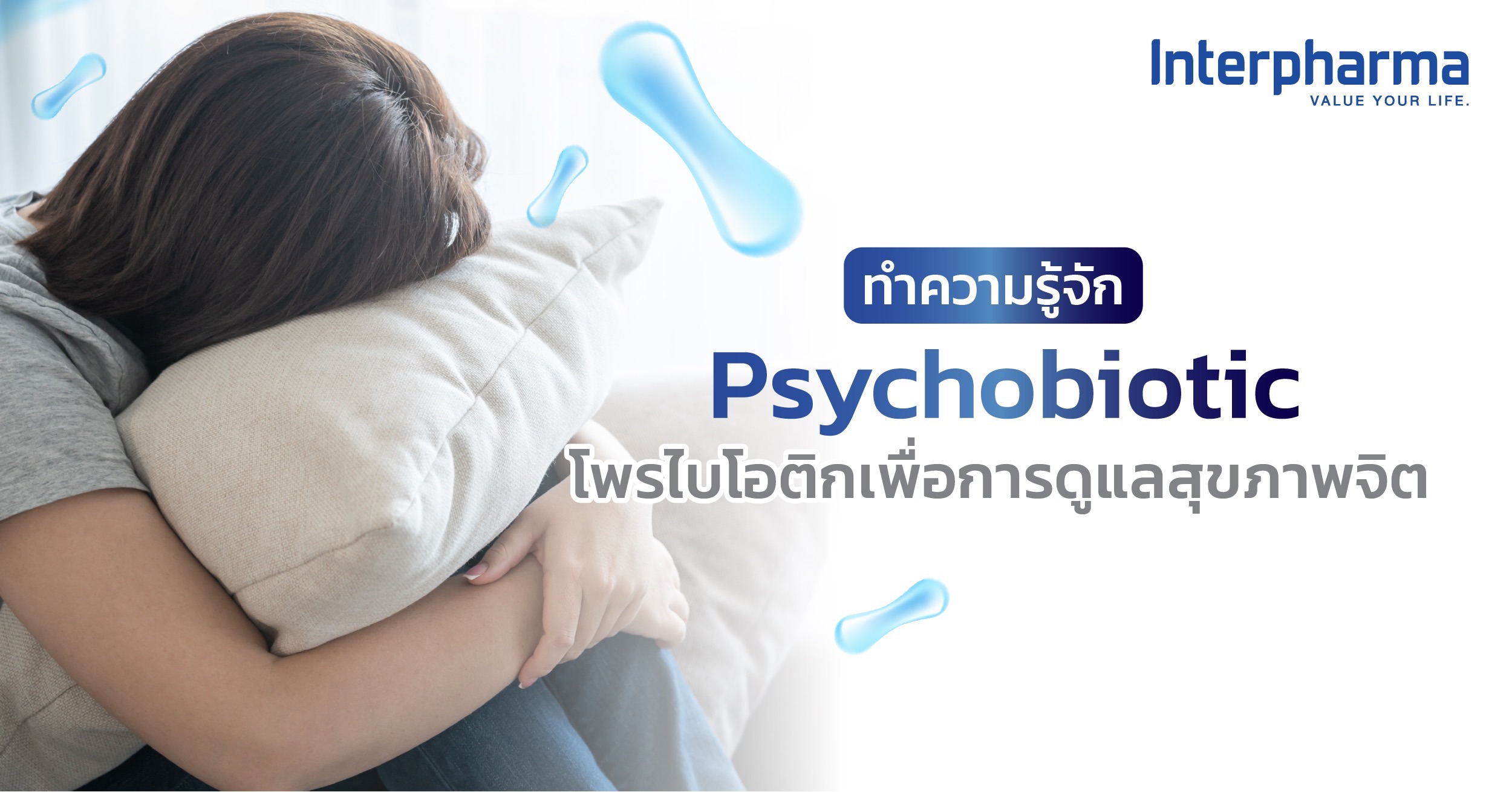
In an era where stress and mental health issues are becoming increasingly common, many people are starting to look for new alternatives for mental health care that go beyond relying solely on medication or therapy. One of the most interesting innovations currently gaining significant attention in the medical and nutritional fields is the Psychobiotic, or probiotics that affect mental health. This clearly links the health of our gut with our brain. This discovery opens a new dimension in holistic health care, particularly in using beneficial bacteria in the gut as a tool to balance emotions and reduce psychological symptoms. This article will introduce you to Psychobiotics, from their definition and mechanism of action to their benefits for our mental health.
What is a Psychobiotic?
The term "Psychobiotic" was coined to describe special microorganisms capable of influencing human mental health and mood, primarily through the Gut-Brain Axis, a bidirectional communication pathway between the gastrointestinal system and the central nervous system. The word "Psychobiotic" is a blend of "Psycho," meaning mind, and "Biotic," referring to living organisms, specifically microorganisms.
The beneficial bacteria in the gut classified as Psychobiotics do not just aid in digestion or maintain gastrointestinal health; they can also produce important neurotransmitters such as Serotonin, Dopamine, and Gamma-aminobutyric acid (GABA). These are substances that play a crucial role in regulating our mood, feelings, and behavior. This discovery has helped scientists better understand that the health of our gut is directly linked to our mental health.
The Mechanism of Action of Psychobiotics and the Gut-Brain Axis
The connection between the gut and the brain is not a new concept in medicine, but understanding the role of microorganisms in this process is opening new perspectives. The Gut-Brain Axis is a complex communication system that connects the enteric nervous system (in the gut) with the brain via the Vagus Nerve, hormones, and the immune system. When the beneficial bacteria in the gut are well-balanced, these microorganisms help produce neurotransmitters and various chemicals that send signals to the brain.
Psychobiotics work by modifying the composition of the gut microbiota to be more diverse and balanced. Having an adequate amount of beneficial microorganisms helps reduce inflammation in the body, as chronic inflammation is linked to symptoms of depression and anxiety. Furthermore, these good bacteria help strengthen the intestinal lining, preventing the leakage of toxins into the bloodstream, which could adversely affect brain function.
Benefits of Psychobiotics for Mental Health
Understanding the mechanism of Psychobiotics naturally leads to the question of how these microorganisms can help care for our mental health. Here are the benefits we can receive from Psychobiotics, ranging from stress reduction and mood stabilization to enhancing brain performance.
- Helps Reduce Stress and Anxiety
One of the most prominent benefits of Psychobiotics is their ability to help lower stress levels and anxiety symptoms. Several studies have found that regular consumption of probiotics can help reduce levels of Cortisol, the body's primary stress hormone. When cortisol levels decrease, the body feels more relaxed, and anxiety symptoms gradually diminish.
Additionally, beneficial gut bacteria help stimulate the production of GABA, a neurotransmitter with calming properties that reduces brain excitability. This helps individuals with anxiety feel calmer and more focused. Therefore, using Psychobiotics is an interesting supplementary option for those looking to manage daily stress.
- Helps Balance Mood and Reduce Symptoms of Depression
Depression is often associated with an imbalance of neurotransmitters in the brain, especially Serotonin, which plays a vital role in regulating mood and feelings of happiness. Interestingly, our gut produces significantly more serotonin than our brain, and beneficial gut bacteria are crucial to this production process.
Supplementing with Psychobiotics helps increase the production of serotonin and other mood-related neurotransmitters, allowing individuals prone to depression or mood swings to achieve better balance. Moreover, probiotics help reduce inflammation in the body, and chronic inflammation is a known risk factor for depression.
- Helps Improve Brain Performance
The brain requires proper nutrients and a suitable environment to function effectively, and the gut and brain are inseparably linked. Psychobiotics support brain function by improving the absorption of essential nutrients, such as B vitamins, amino acids, and various minerals, which play a role in the function of nerve cells.
Furthermore, a balanced gut microbiome helps reduce mental fatigue, increase concentration, and improve memory, enabling more effective work or study. Caring for your gut health with Psychobiotics is, therefore, a long-term investment in your brain health.
Probac Mood: A New Innovation in Psychobiotics
A Probiotic Dietary Supplement for Brain and Mental Well-being
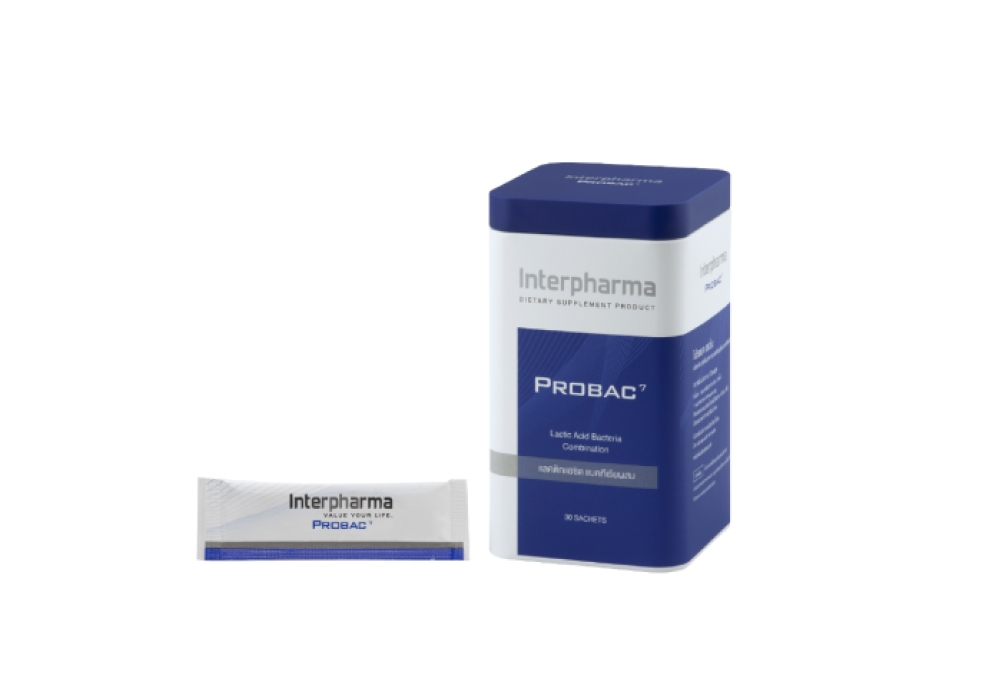
For those who wish to take care of their mental and brain health, a probiotic dietary supplement containing Psychobiotics is a good choice. An example of a supplement that has been specifically researched and developed for mental health care is Probac Mood, a new innovation in Psychobiotics. It is classified as a probiotic that affects the nervous system, brain, and mind. It contains probiotic strains that have been shown to impact anxiety, depression, insomnia, children with autism, and adults with Parkinson's and Alzheimer's disease. It contributes to balancing brain chemicals by increasing the neurotransmitters dopamine and serotonin, helping to reduce stress, anxiety, depression, and mood swings, and promoting better sleep. It also helps alleviate symptoms for those with neurotransmitter-related disorders such as Alzheimer's, autism, and Parkinson's.
Conclusion
Psychobiotics are an exciting innovation in the health sector that connects the relationship between the gut and the brain. Taking care of the beneficial bacteria in your gut not only helps your digestive system function well but also positively impacts your mental health and mood. Whether through natural fermented foods or dietary supplements, incorporating mental health probiotics into your daily routine can be a small step that significantly improves your quality of life.