


Probiotics for Insomnia: A Safer, Natural Alternative to Sleeping Pills
Probiotics for Insomnia: A Safer, Natural Alternative to Sleeping Pills
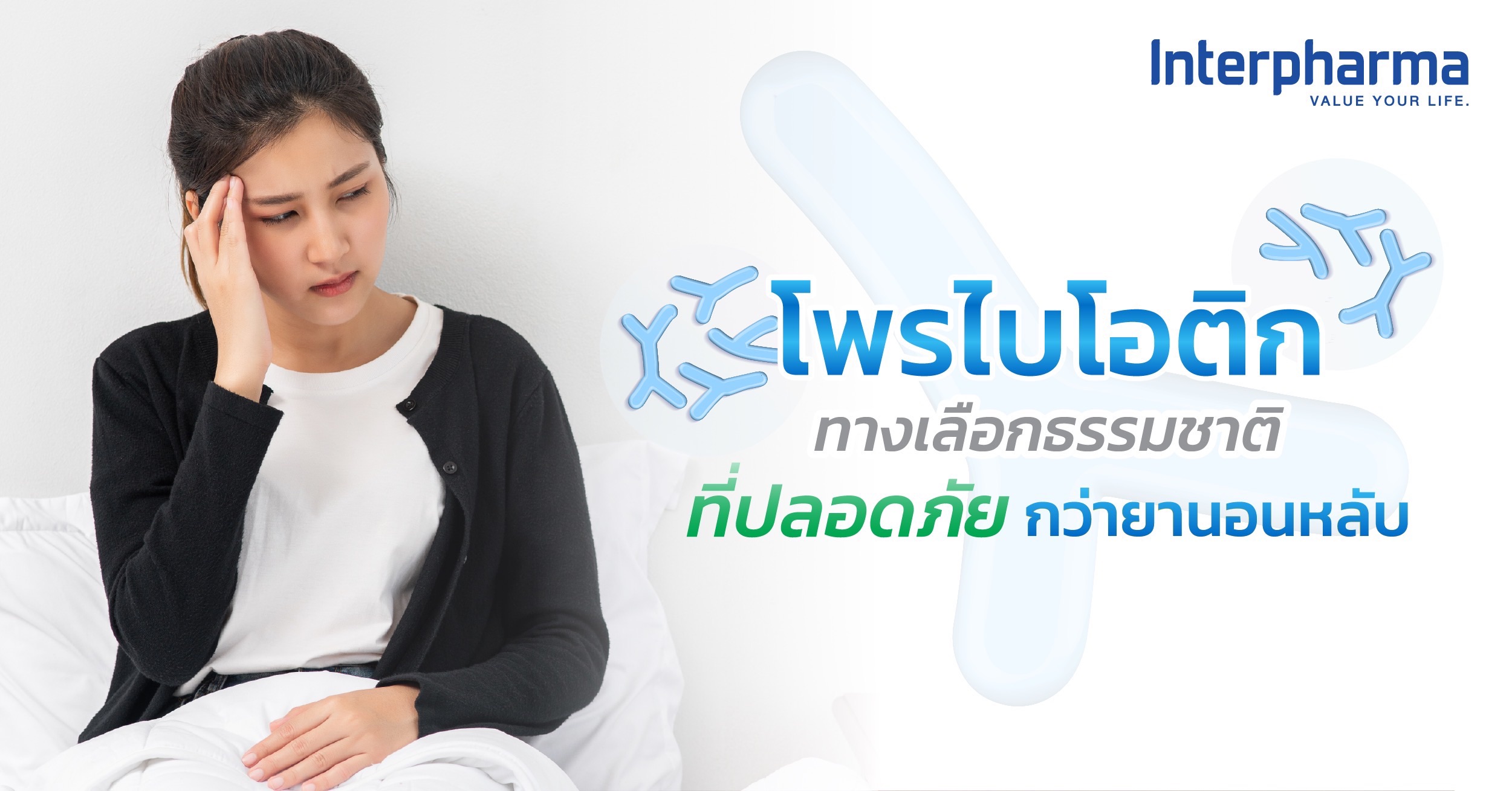
Insomnia is a health problem that affects the quality of life for many people today. While some may turn to sleeping pills as a solution, concerns about side effects and the risk of dependency are common. Recently, it has been discovered that probiotics can genuinely help with insomnia through the mechanism of the gut-brain connection. This presents an interesting natural alternative for those looking to improve their sleep quality without relying on medication. This article will help you understand why good bacteria in your gut can help you sleep more soundly and how to choose and use them appropriately.
Why Can Probiotics Help with Insomnia? Understanding the Gut-Brain Axis
Our digestive system and brain communicate with each other through what is called the Gut-Brain Axis, a two-way communication network between the enteric nervous system in the gut and the central nervous system. When the gut has a balanced microbiome, the body can better produce essential neurotransmitters for sleep, especially Serotonin, which is a precursor to Melatonin, the hormone that regulates sleep. Taking probiotics for insomnia helps to balance the gut microbiota, leading to more efficient production of these substances.
Furthermore, beneficial microorganisms in the gut help reduce inflammation in the body and control levels of the stress hormone Cortisol, a key factor that causes many people to have trouble sleeping or wake up in the middle of the night. The use of psychobiotics, which are probiotics that directly affect mental health and mood, has become a compelling new alternative for holistically managing sleep problems.
Getting to Know Psychobiotics: The Ultimate Probiotics for Mental Health and Sleep
Psychobiotics are a special class of probiotics that have been scientifically proven to have positive effects on mental health and the nervous system. Unlike general probiotics that primarily focus on digestive function, psychobiotic strains are specifically selected for their ability to influence the production of neurotransmitters and brain function. This allows them to effectively help improve symptoms of anxiety, depression, and sleep problems. The most prominent strains in the psychobiotic group include Lactobacillus plantarum and Bifidobacterium longum, which studies have found can reduce stress levels and improve sleep quality. Choosing psychobiotics is, therefore, a more targeted and goal-oriented approach to using probiotics for insomnia, especially for those whose sleep issues are related to stress or emotional conditions.
PS128: A Special Strain for High-Quality Deep Sleep
PS128, or Lactobacillus plantarum PS128, is a probiotic strain that has been intensively researched and developed, particularly for its benefits on mental health and sleep. This strain has the unique ability to influence the production of GABA (Gamma-Aminobutyric Acid) and increase Dopamine and Serotonin, which are neurotransmitters that help calm and relax the nervous system. This makes it easier for the body to enter Deep Sleep, the stage where the body most efficiently repairs cells and restores energy.
Deep sleep is crucial for overall health because it's when the body releases growth hormone, strengthens the immune system, and consolidates long-term memories. Using PS128 not only helps you fall asleep faster but also enhances the overall quality of your sleep, allowing you to wake up feeling refreshed and fully energized. For those considering probiotics for insomnia, it is advisable to look for products that feature PS128 as a key ingredient.
Advantages of Probiotics for Insomnia Compared to Conventional Sleeping Pills
The key difference between using probiotics for insomnia and conventional sleeping pills lies in their mechanism of action and long-term effects. Most sleeping pills work by suppressing the central nervous system, which, while inducing sleep quickly, may not result in natural, high-quality sleep and can cause morning grogginess. In contrast, probiotics work by balancing the body from within, helping it to naturally produce the substances necessary for sleep on its own.
Moreover, long-term use of sleeping pills can lead to tolerance or dependency, requiring higher doses to achieve the same effect. Probiotics, on the other hand, are non-addictive and offer additional health benefits, such as improving digestion, immunity, and mental well-being. Choosing psychobiotics is, therefore, a safer and more sustainable long-term investment in your health, especially for those concerned about the side effects of medication.
How to Choose and Use Probiotics for Insomnia for the Best Results
Choosing the right probiotic product for insomnia should take several factors into account. First, select strains that are supported by research, such as PS128, Lactobacillus rhamnosus, or Bifidobacterium longum, which have been specifically studied for their effects on sleep and mental health. Check the label carefully to ensure the strain is clearly identified and that there is a sufficient number of bacteria, which should generally be at least several billion CFU (Colony Forming Units) to be effective.
For usage, they should be taken consistently every day around the same time. It is generally recommended to take them 1-2 hours before bedtime or as directed on the product label. For best results, they should be used continuously for at least 4-8 weeks, as psychobiotics need time to establish a balanced gut microbiome. Additionally, they should be stored in a cool, dry place; some types may require refrigeration to maintain the viability of the beneficial bacteria. Combining their use with good sleep hygiene practices, such as maintaining a regular sleep-wake schedule and avoiding caffeine in the evening, will greatly enhance the effectiveness of using probiotics for insomnia.
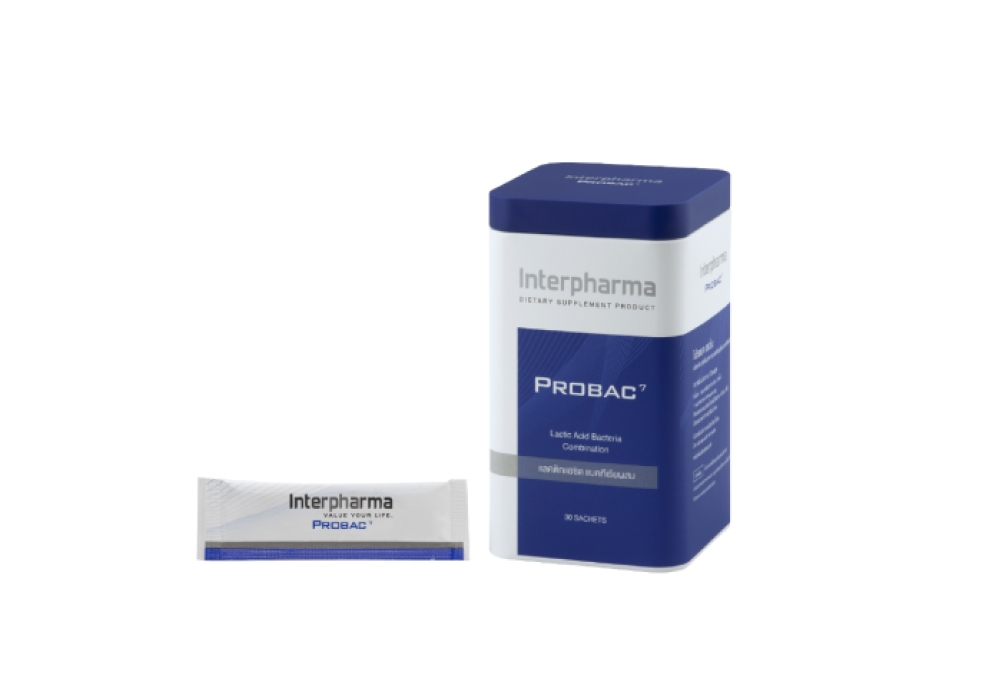
An example of a popular probiotic for insomnia is Probac Mood, an innovative Psychobiotic that affects the nervous system, brain, and mood. It uses the specific probiotic strain Lactobacillus plantarum PS128, which has shown effects on anxiety, depression, insomnia, children with autism, and adults with Parkinson's and Alzheimer's disease.
Conclusion
Probiotics for insomnia are an interesting natural alternative for those who want to improve their sleep quality without relying on sleeping pills. Through the mechanism of the gut-brain axis and the use of psychobiotics, especially the PS128 strain that promotes high-quality deep sleep, this approach offers a sustainable solution. Choosing and using probiotics for insomnia appropriately and consistently, combined with a holistic approach to health, will help you sleep better, wake up refreshed, and achieve a better quality of life in a sustainable way.