









Understanding the Gut-Brain Axis: Start Caring for Your Gut to Nurture Your Brain and Emotions
Understanding the Gut-Brain Axis: Start Caring for Your Gut to Nurture Your Brain and Emotions
Many people may wonder why they often experience stomach pain when stressed, or feel nauseous before an important exam. The answer lies in the Gut-Brain Axis, a complex communication network connecting the gut and the brain.
Current medical research has revealed that the gut is not just an organ for digestion but is also our "second brain," influencing our emotions, thoughts, and behaviors. Understanding the Gut-Brain Axis will help us take a more holistic approach to our health, addressing both physical and mental well-being simultaneously.
What is the Gut-Brain Axis?
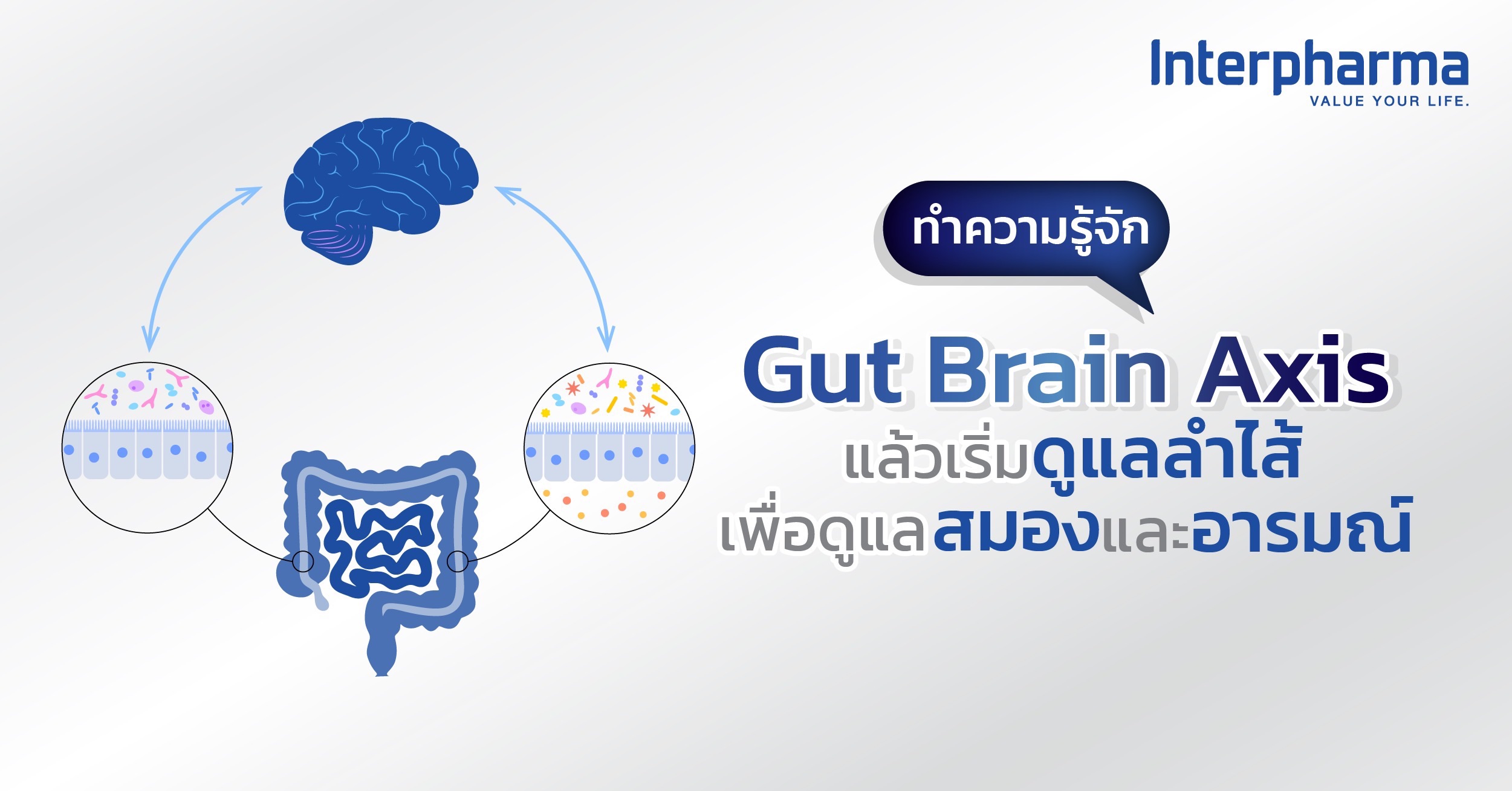
This complex, two-way communication system between the gastrointestinal tract and the brain is a remarkable mechanism of the body. The gut and brain can send signals back and forth through multiple pathways, including the nervous system, hormones, and the immune system. What happens in the gut can affect brain function, and conversely, our emotional and cognitive states can impact our gut health.
The Gut-Brain Axis operates via the Vagus Nerve, the longest nerve in the body, which connects the brain to various organs, including the intestines. Furthermore, many neurotransmitters, such as serotonin, which plays a crucial role in regulating mood and feelings of happiness, are produced in the gut. The functioning of this Gut-Brain Axis explains why we have expressions like "go with your gut feeling," reflecting the true connection between our intestines and our emotional perception.
The Role of Gut Microbiota in the Gut-Brain Axis
The trillions of microorganisms residing in our digestive tract are critically important to the functioning of this system. These microbes not only aid in digesting food and absorbing nutrients but also produce various chemical substances that affect our brain function and emotional state. The balance of gut microbiota, therefore, has a direct impact on mental health and overall Gut-Brain Health.
When the balance of gut microbiota is disrupted, whether by antibiotics, a poor diet, or stress, it can lead to psychological symptoms such as anxiety, depression, or mood swings. Nurturing a diverse and balanced gut microbiome is key to ensuring the Gut-Brain Axis functions effectively. Consuming a diet rich in fiber, fruits, vegetables, and fermented foods helps to support beneficial microorganisms in the gut.
Gut-Brain Axis and Mental Health and Emotions
The link between gut health and mental health has been substantiated by numerous recent research studies. Individuals with gastrointestinal issues, such as Irritable Bowel Syndrome (IBS), often have a higher incidence of depression and anxiety than the general population. Conversely, those with mental health problems frequently experience digestive issues. This clearly demonstrates a strong bidirectional relationship.
Caring for the Gut-Brain Axis is not just about looking after a single organ; it's about holistic health care. When the gut is healthy, the brain functions better, emotions become more stable, and the ability to cope with stress improves. Therefore, Gut-Brain Health is a new dimension of healthcare that should not be overlooked, especially in an era where mental health issues are increasingly prevalent in society.
Probiotics and Strengthening the Gut-Brain Axis
Probiotics are live microorganisms that are beneficial to health, particularly for the digestive system and the functioning of the Gut-Brain Axis. Supplementing the body with probiotics can help restore the balance of gut microbiota, reduce inflammation, and increase the production of important neurotransmitters for the brain. Good sources of probiotics include yogurt, kefir, kimchi, tempeh, and other fermented foods.
When choosing probiotics, it is advisable to select appropriate strains, such as Lactobacillus and Bifidobacterium, which are supported by research to help reduce anxiety symptoms and improve mood. Regular consumption of probiotics helps build a strong foundation for the Gut-Brain Axis, enabling the body to better handle stress and achieve emotional balance. Additionally, prebiotics, which are the food for probiotics, should be consumed alongside to ensure these beneficial microbes can thrive effectively.
Psychobiotics: The Future of Mental Healthcare through the Gut-Brain Axis
Psychobiotics is a new concept gaining attention in the medical and nutritional fields. It refers to special strains of probiotics that have a direct effect on mental health and emotions through the workings of the Gut-Brain Axis. Unlike general probiotics that focus on digestive benefits, psychobiotics are specifically selected and studied for their impact on the brain and mood.
Research has found that certain psychobiotic strains can help alleviate symptoms of depression, reduce anxiety, and improve sleep. The mechanism of psychobiotics involves the production of key neurotransmitters like GABA and serotonin, which play a significant role in mood regulation. This represents a new alternative for mental healthcare, complementing traditional treatments by strengthening the Gut-Brain Axis with psychobiotics.
For instance, a recognized and popular psychobiotic product today is Probac Mood, a probiotic supplement that directly supports mood and the nervous system. It contains a specific strain called Lactobacillus plantarum , which is classified as a "Psychobiotic" — a probiotic that affects the nervous system, brain, and mental state. It has the ability to increase neurotransmitters such as dopamine and serotonin in the brain, which helps reduce stress, anxiety, depression, and mood swings, thereby leading to better sleep.
How to Care for Gut-Brain Health in Daily Life
Caring for your Gut-Brain Health doesn't have to be complicated. It can start with simple lifestyle adjustments. Eating a varied diet that emphasizes fresh fruits and vegetables, fiber from whole grains, and fermented foods will help nourish the good bacteria in your gut. Avoiding highly processed foods, sugar, and trans fats is also important.
Beyond diet, stress management significantly impacts the Gut-Brain Axis. Practices like meditation, yoga, regular exercise, and getting enough sleep all support the function of this system. Establishing a healthy routine will help both your gut and brain work together in harmony. Good Gut-Brain Health leads to a better quality of life, both physically and mentally. Therefore, prioritizing gut care is a long-term investment in your mental health.
Warning Signs Your Gut-Brain Axis May Have a Problem
If your Gut-Brain Axis is not functioning in balance, several warning signs may appear, both physically and mentally. Frequent digestive symptoms such as bloating, gas, constipation, or diarrhea can be a sign that your gut microbiota is imbalanced, which may in turn affect your brain.
Furthermore, frequent emotional changes, increased anxiety, mood swings, or feeling constantly fatigued could also be signals sent by your Gut-Brain Axis. Sleep problems, a short attention span, and memory issues can all be linked to gut health. If you notice these symptoms occurring persistently, you should prioritize improving your Gut-Brain Health by adjusting your diet, reducing stress, and, if necessary, consulting a doctor for appropriate advice.
Conclusion
The Gut-Brain Axis is the key to understanding the connection between physical and mental health. This two-way communication system between the gut and the brain shows that taking care of your gut is not just about the digestive system; it also directly impacts your emotions, thoughts, and overall quality of life. Supplementing with probiotics and psychobiotics, choosing a nutritious diet, managing stress, and taking a comprehensive approach to Gut-Brain Health will help you achieve well-being in both body and mind. Start taking care of yourself today for a sustainable and healthy future.