What to Eat for Dry Skin? How to Choose Supplements for Dry Skin Based on Your Skin Needs
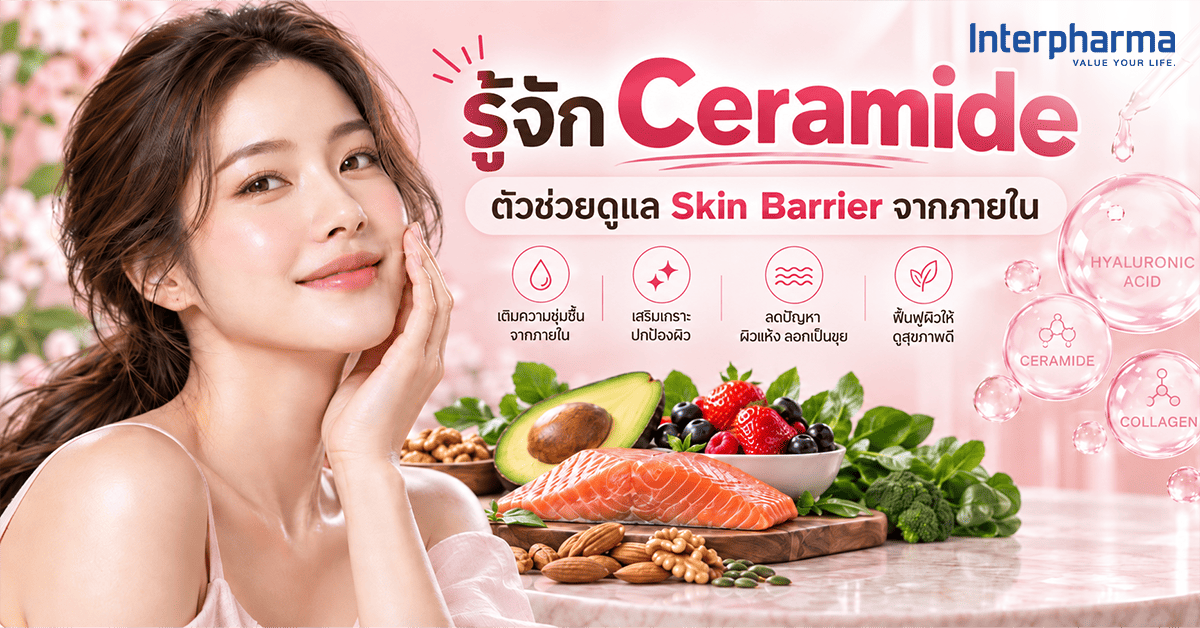
Dry skin should be managed from both the outside and the inside. A balanced diet that provides healthy fats, protein, vitamins, minerals, and adequate hydration creates an important foundation for healthy skin. When considering supplements for dry skin, it is more useful to choose ingredients based on the underlying skin concern—such as moisture loss or a weakened skin barrier—rather than simply looking for products marketed for “beautiful” or “glowing” skin.
What Causes Dry Skin?
Dry skin is not caused only by “not drinking enough water.” Many different factors can contribute to dryness, including dry weather, prolonged hot showers, harsh soaps or cleansers, increasing age, certain medications, skin conditions, and some underlying health problems.
The outermost layer of the skin, called the stratum corneum, acts as a protective barrier. It helps prevent excessive water loss while protecting the body from external irritants. Lipids within this layer—including ceramides, cholesterol, and free fatty acids—work together to maintain the structure and function of the skin barrier.
When this protective structure becomes disrupted, water can escape from the skin more easily. The skin may then feel tight, rough, flaky, itchy, or sensitive.
This is why the question “what to eat for dry skin?” cannot be answered by recommending only one food, one vitamin, or more water. Healthy skin depends on adequate nutrition, hydration, healthy fats, protein, and proper external care. Supplements for dry skin should therefore be considered an additional part of a broader skincare strategy rather than a shortcut.
What to Eat for Dry Skin Before Considering Supplements for Dry Skin
If you are wondering what to eat for dry skin, the first priority is a balanced and varied diet. Foods that provide protein, essential fatty acids, vitamins, minerals, and antioxidants all contribute to normal skin function.
Protein-rich foods such as fish, eggs, lean meat, soy products, beans, nuts, and seeds provide amino acids that the body needs for tissue maintenance. Nuts, seeds, fish, and other foods containing healthy fats also provide fatty acids that support normal cell structures.
Colorful vegetables and fruits provide a variety of vitamins, minerals, carotenoids, and other antioxidant compounds that contribute to overall skin health. Instead of relying on a single “superfood,” eating a variety of foods is usually a more practical approach.
Hydration is also important. People who do not drink enough fluids should make sure they meet their body's normal hydration needs. However, drinking large amounts of water alone does not automatically repair a damaged skin barrier or solve every case of dry skin.
Before purchasing supplements for dry skin, it is therefore useful to review your daily diet first. Ask whether you are receiving adequate protein, healthy fats, vegetables, fruits, and fluids. Supplements are most useful when they complement a strong nutritional foundation.
How Should You Choose Supplements for Dry Skin?
Choosing supplements for dry skin should begin with the specific skin concern you want to address rather than general beauty claims.
If your main concern is dryness and excessive moisture loss, ceramides are one of the ingredients worth understanding. When evaluating a ceramide supplement, consider the source, amount per serving, and the supporting evidence behind the ingredient or formulation.
If your goal is to support skin hydration, hyaluronan or hyaluronic acid may also be relevant. In this case, look at the form, dosage, and evidence supporting the specific formulation. For dry skin accompanied by reduced elasticity, collagen peptides may be another ingredient to consider, with attention to the type, amount, source, and quality of the available research.
For people interested in supporting the skin against environmental stress, carotenoids such as lycopene may also be useful to understand. However, the evidence for these ingredients is generally stronger in areas such as oxidative stress and photoprotection than in directly improving dry skin.
Vitamins and minerals can also contribute to general nutritional support for healthy skin. The priority should be meeting normal nutritional requirements rather than taking unnecessarily high doses.
The key point is that supplements for dry skin do not need to contain every possible skin ingredient. Each ingredient should have a clear purpose that matches the specific skin concern you want to address.
What Is Ceramide, and Why Is It Common in Supplements for Dry Skin?
Ceramides are a group of lipids naturally present in the outer layer of the skin. They play an important role in maintaining the structure of the skin barrier and helping the skin retain moisture.
A simple analogy is to imagine skin cells as bricks in a wall. Lipids such as ceramides act somewhat like the mortar between those bricks, helping maintain a strong and organized barrier.
When the barrier is compromised, water can escape more easily. As a result, the skin may become dry, flaky, rough, or more sensitive to external irritants.
This explains why ceramide for skin has become an important topic when discussing supplements for dry skin. Ceramides are not associated only with cosmetic appearance; they are directly related to a fundamental function of the skin barrier.
Several clinical studies have investigated orally consumed ceramide-containing ingredients. Some have reported improvements in skin hydration and reductions in TEWL compared with placebo.
However, seeing the word “ceramide” on a supplement label is not enough. Consumers should also consider the source of the ceramide, the amount provided per serving, how the ingredient is standardized, and whether relevant research supports the formulation.
What Should You Look for in Ceramide Supplements for Dry Skin?
When considering supplements for dry skin that contain ceramides, read the ingredient label carefully.
Ceramides used in supplements can come from different plant-based sources, and research may use different forms and amounts. Therefore, two supplements that both mention ceramide may not necessarily be equivalent.
Look for information such as the source of the ceramide ingredient, the amount provided in the recommended daily serving, and whether the manufacturer clearly identifies active ingredients.
It is also worth examining what other ingredients are included in the formula. Some products combine ceramides with antioxidants or nutrients intended to support other aspects of skin health.
Product quality and transparency also matter. Check labeling information, allergen warnings, recommended intake, manufacturer information, and regulatory compliance.
People who are pregnant, breastfeeding, taking regular medication, or managing a medical condition should consult a doctor, pharmacist, or other qualified healthcare professional before starting supplements for dry skin.
How Are Supplements for Dry Skin Different from Collagen Supplements?
Ceramides and collagen do not perform the same role in the skin, even though both have been studied in relation to skin health.
Ceramides are lipids that are closely associated with the outer skin barrier and its ability to prevent excessive water loss.
Collagen, on the other hand, is a structural protein found primarily in the dermis. It contributes to the structure, strength, and mechanical properties of the skin.
Research on oral collagen peptides has reported potential benefits related to skin hydration and elasticity in some studies. However, formulations, collagen sources, dosages, study durations, and research quality vary.
If your primary concern is skin that loses moisture easily, understanding ceramide for skin and skin barrier function may help you evaluate supplements for dry skin from a more targeted perspective.
If your concerns also include elasticity and age-related changes in the skin, collagen may be another ingredient worth learning about.
The two should not necessarily be viewed as competitors. They target different aspects of skin biology.
Can Antioxidants Help Dry Skin?
Antioxidants play a different role from ingredients that primarily support skin hydration. This distinction is important when evaluating supplements for dry skin.
For example, lycopene and other carotenoids found in tomatoes and colorful plant foods have been studied in relation to oxidative stress and the skin's response to UV exposure.
Their primary role is therefore different from ingredients such as ceramides, which are more directly associated with skin barrier lipids and moisture retention.
Antioxidants may be useful as part of a broader strategy for supporting skin health, especially when the skin is regularly exposed to environmental stressors. However, they should not automatically be considered direct replacements for moisturizers or barrier-supporting ingredients.
The same principle applies to Vitamin B3, or niacinamide. Topical niacinamide has well-established uses in skincare, including support for barrier function. However, evidence for oral Vitamin B3 specifically as a treatment for dry skin should not automatically be assumed to be equivalent.
When evaluating supplements for dry skin, it is therefore helpful to ask what each ingredient is actually intended to do rather than assuming every “skin ingredient” provides the same benefit.
How Can You Support the Skin Barrier Alongside Supplements for Dry Skin?
Even when you choose appropriate supplements for dry skin, external skincare remains essential.
Many cases of dry skin improve significantly when people reduce activities that damage the barrier and use an appropriate moisturizer consistently.
Avoid very hot or prolonged showers, particularly if your skin already feels tight or irritated. Choose gentle cleansers that do not contain unnecessary fragrance or harsh cleansing agents.
Applying moisturizer shortly after bathing can help reduce water loss. Creams and ointments generally provide stronger occlusive effects than lightweight lotions, although the most suitable formulation depends on individual preferences and skin condition.
Common moisturizing ingredients include ceramides, glycerin, hyaluronic acid, and petrolatum. These ingredients work through different mechanisms to help maintain hydration or reduce water loss.
Sun protection is another important part of maintaining healthy skin. A balanced diet, adequate sleep, appropriate hydration, and regular skincare should all work together with supplements for dry skin rather than being replaced by them.
Who May Consider Supplements for Dry Skin, and When Should You See a Doctor?
Supplements for dry skin may be considered by adults who already maintain appropriate skincare and a balanced diet but want additional nutritional support for hydration or skin barrier function.
However, persistent dry skin should not always be treated as a purely cosmetic issue.
See a healthcare professional if your skin becomes extremely dry, painful, severely itchy, cracked, bleeding, inflamed, infected, or persistently irritated despite appropriate care.
Dryness can sometimes be associated with skin conditions such as atopic dermatitis or psoriasis, as well as medications and other medical conditions.
In these situations, adding supplements for dry skin should not replace proper diagnosis and treatment.
FAQ: Frequently Asked Questions About Supplements for Dry Skin
1. What should I eat for dry skin?
Focus on a balanced diet that includes adequate protein, healthy fats, vegetables, fruits, and fluids. Healthy skin relies on multiple nutrients, so there is no single food that can completely solve dry skin.
2. Should supplements for dry skin contain ceramides?
Ceramides are worth considering because they play an important role in the skin barrier, and some oral supplementation studies have reported improvements in skin hydration and TEWL. The source, dose, and formulation should also be considered.
3. What is the difference between ceramide and hyaluronic acid?
Ceramides are lipids that contribute to the structure of the skin barrier and help reduce water loss. Hyaluronic acid is associated with water binding and hydration. Both relate to moisture, but they work through different mechanisms.
4. Do supplements for dry skin work immediately?
No. Nutritional supplements should not be expected to produce immediate results. Skin studies generally evaluate changes over a period of several weeks, and outcomes vary depending on the ingredient, formulation, dose, skin condition, and individual factors.
5. Should I take supplements or see a dermatologist if my skin is very dry?
Mild dryness can often be managed with appropriate skincare and nutrition. If the skin is severely dry, itchy, inflamed, cracked, painful, or persistently irritated, medical evaluation is more appropriate than relying only on supplements for dry skin.
Key Takeaways: How to Choose Supplements for Dry Skin
There is no single answer to “what to eat for dry skin?” Healthy skin depends on a combination of balanced nutrition, adequate protein and healthy fats, vegetables and fruits, appropriate hydration, and effective external skincare.
When considering supplements for dry skin, start with the problem you want to address rather than the promise on the front of the package.
If your main concern is moisture loss and barrier function, understanding the skin barrier and the role of ceramide for skin can help you evaluate supplement ingredients more logically.
At the same time, different ingredients have different purposes. Ceramides, collagen, hyaluronic acid, carotenoids, and vitamins should not automatically be treated as interchangeable simply because they are associated with skin health.
Finally, supplements for dry skin should remain exactly that—a supplement to good skincare, balanced nutrition, and appropriate medical treatment when necessary.